When the Robots Learned to Write, the Humanities Finally Got Interesting Again
1 July 2026 · 5 min · Patrick Fish
Let's be honest: the humanities have spent decades being asked to justify their existence. Every few years, someone in a suit raises an eyebrow and asks what, exactly, a philosophy degree is for. The humanities dutifully reinvent their sales pitch — employability this decade, "soft skills" the next — like a nervous dinner guest trying to prove they belong at the table.
That whole defensive crouch is a mistake. And in the age of AI, it's a mistake we can no longer afford.
The trap of the "soft skills" defence The easy argument goes like this: robots will take the boring jobs, so humans will still be needed for creativity, empathy and judgement. There's truth to it (even the World Economic Forum agrees curiosity and critical thinking will matter through 2030). But the author firmly refuses to buy-in to it because it treats "meaning-making" as just one more skill to be sold. That's not why the humanities matter. They matter because they ask the awkward questions: what should be known, trusted, remembered, and held answerable to human judgement?
Fluency is not understanding (tattoo it on a syllabus) Generative AI is brilliant at producing text that sounds right. But — borrowing from the famous "stochastic parrots" argument — sounding right isn't the same as knowing anything. AI works by pattern and probability. It can write a grammatically flawless sentence that is complete nonsense, or a polished paragraph quietly stuffed with colonial assumptions.
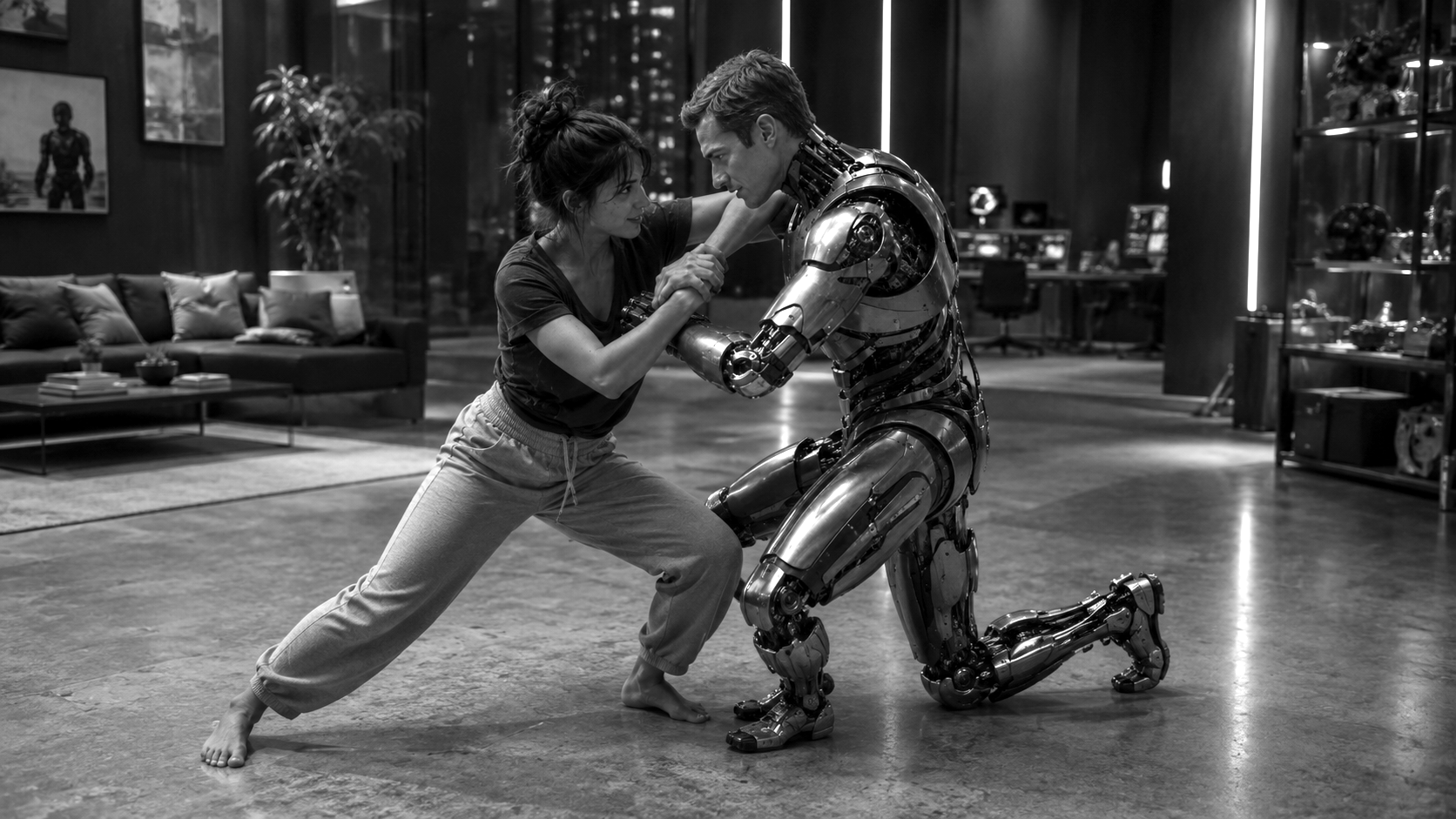
In poker, a "tell" is the twitch that gives away a bluff. AI has almost no tell. It can make a shaky claim sound settled and flatten genuine disagreement into smooth, confident consensus. Which is precisely why we need people trained to squint at a text and ask: whose voice is this? What's missing? Who's actually accountable here. AI and the humanities aren't locked in a fight to the death. They're doing an awkward dance, circling each other, each defining itself against the other. What they're wrangling over is nothing less than how we recognise truth at all.
Authorship, accountability and a jab at social media AI also scrambles our idea of the "author." Traditionally, a text traces back to a person who's responsible for it. AI produces text with no author in any meaningful sense — so the question shifts from who wrote this? to who's accountable for this? The author can't resist noting the irony that on social media, everyone has become an "authority," which is another way of saying nobody is.
The South African stakes This is where things get serious. AI doesn't drop into a neutral world, it lands in one already shaped by colonialism, apartheid, and wildly unequal access. The student with the faster laptop wins; the marginalised one falls further behind. The paper's real-world horror story: South Africa's draft national AI policy was reportedly withdrawn after it was found citing fictitious, AI-generated references. Yikes.
Going slower to go deeper The paper's paradoxical prescription: slow down. Redesign assessment around process — drafts, reflections, oral defences — not just the polished final product AI can counterfeit. Treat AI as a "rabbit hole" worth exploring thoughtfully, not a shortcut to skip thinking.
The future of the humanities isn't defending humans against machines. It's making sure our shiny technological futures stay answerable to human meaning. Speed and scale, after all, are not wisdom.