The Intellectual Directions of Higher Education in South Africa:
29 October 2026 · 3 mins · Patrick Fish
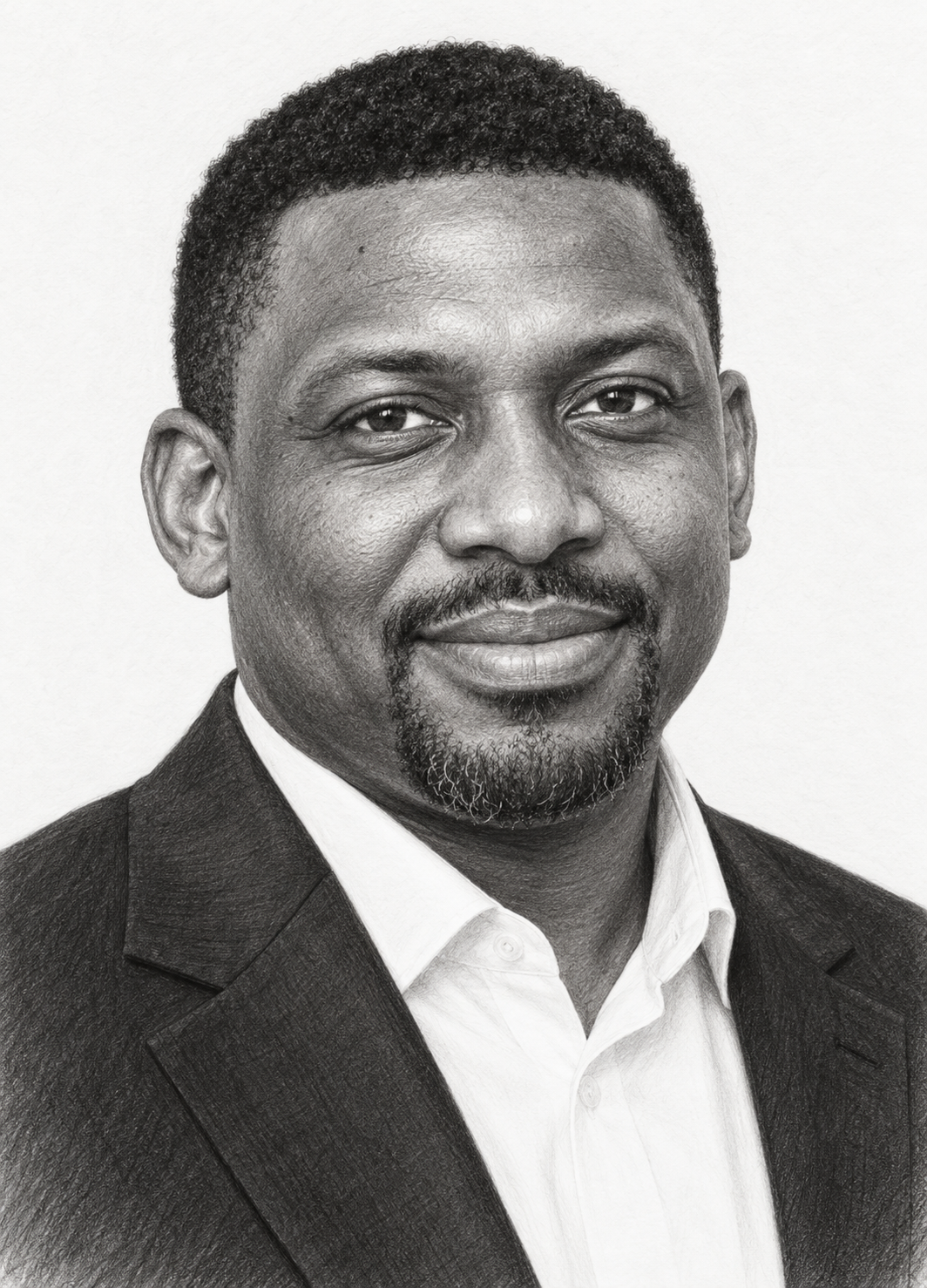
The Intellectual Directions of Higher Education in South Africa: A National Webinar on Reimagining the Futures of the University
- 12 October 2026.
- An online webinar streamed on YouTube Live, featuring a keynote address, panel responses, an open discussion and audience Q&A.
- Duration: 1 hour 37 minutes.
- Attendance: Approximately 260 participants at its peak on Nelson Mandela University’s channel.
The main speakers were:
Speaker Role in the event: Hon. Buti Manamela — Minister of Higher Education and Training
Keynote speaker:Prof. Sibongile Muthwa — Vice-Chancellor, Nelson Mandela
University Panellist: Prof. Linda Meyer — Managing Director, Rosebank International
Group Panellist: Prof. Hester Klopper — Vice-Chancellor, University of the Free State
- Be a good neighbour. A university’s value should be felt beyond its campus gates. Research and teaching should help address challenges such as water shortages, unemployment and health, with communities involved as partners.
- Opening the door is only the beginning. Expanding access matters, but students also need to belong, be supported and have a meaningful say in shaping university life. A seat in a lecture hall is a start; feeling that your voice counts is the next step.
- AI can help with the homework—but shouldn’t do all the thinking. Universities should teach students to question AI outputs, spot bias, check evidence and take responsibility for their work. Speakers also called for African-developed AI systems that reflect local languages and realities.
- African languages and knowledge deserve a central place. Transformation means examining whose ideas get taught, whose knowledge is valued and who gets to shape the conversation. Decolonisation was presented as serious, ongoing intellectual work, rather than a slogan for the next strategy document.
- Universities don’t all need to be photocopies of one another. Different institutions can serve different purposes: excellent teaching, regional development or intensive research. Funding and evaluation should support those strengths, rather than push everyone towards the same international rankings.
- Keep the arts and humanities at the table. Technology cannot settle every ethical question or explain what makes a society fair. Creativity, history, philosophy and cultural understanding need proper funding, alongside science and technology.
- Count what counts. Publications and rankings tell only part of the story. Universities should also be recognised for strengthening communities, influencing policy and supporting African-language scholarship. Academics need time to explore ideas whose value cannot immediately be squeezed into a spreadsheet.
- Think about the planet—and make learning a lifelong possibility. Universities should respond to climate change, inequality and other connected crises. Quality-assured short courses and microcredentials could also help more people enter or return to higher education throughout their lives.
The webinar turns these ideas into recommendations on funding, AI governance, multilingual education, flexible learning and support for early-career academics. These are proposed directions for change, rather than completed reforms.
South Africa has the ideas and talent to reimagine its universities. The next job is to give those ideas budgets, policies and everyday practices—so they can leave the webinar and get to work.